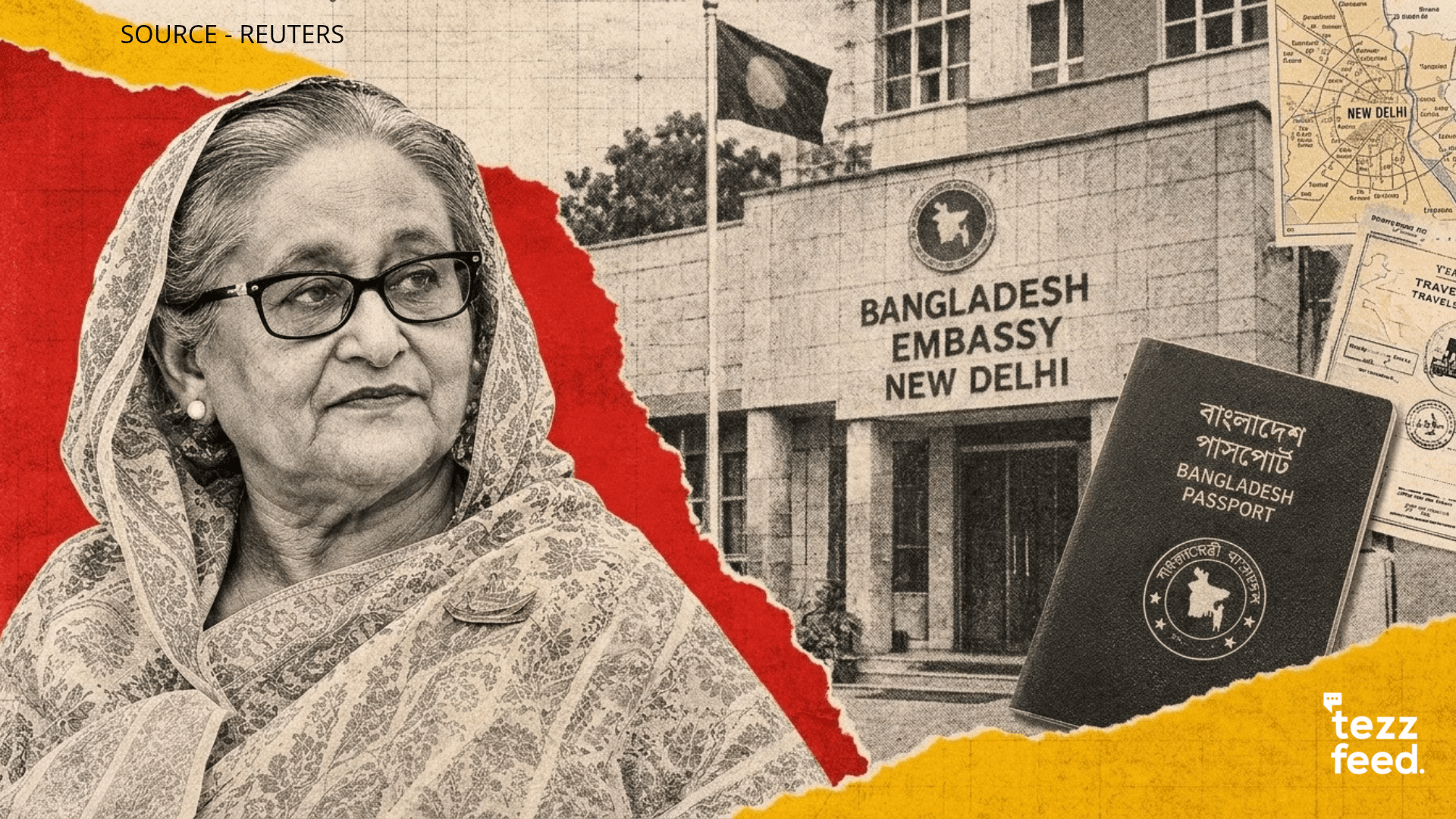
Former Bangladeshi Prime Minister Sheikh Hasina has requested a new passport and national identity card from Bangladesh's diplomatic mission in New Delhi, marking a significant development in her reported plan to return home in December after more than two years in exile in India.
According to a Reuters report published on November 9, 2026, Hasina's lawyers sent a formal letter to the Bangladesh High Commission in New Delhi requesting that the necessary documents be issued to their client. The request represents her first known direct communication of this kind since she fled Bangladesh in August 2024 following the student-led uprising that brought an end to her long period in power. Hasina has previously indicated that she intends to return to Bangladesh in December and surrender before a court. Her aides have said that the specific date would be announced after the necessary formalities are completed.
In a letter addressed to Preeti Rahman, acting high commissioner at Bangladesh's diplomatic mission in New Delhi, Hasina's legal representatives requested the issuance of a new passport and national identity card. The lawyers, associated with London's Matrix Chambers, argued that Hasina remains a Bangladeshi citizen and requested that the applications be processed promptly in accordance with her nationality and relevant international human rights obligations. The request came after her previous passport and national identity documents were revoked by the authorities following the change of government in 2024. However, the request immediately encountered opposition from the current government in Dhaka.
The Bangladeshi government strongly rejected the prospect of issuing a new passport to the former prime minister. State Minister for Foreign Affairs Humaiun Kobir described Hasina as a fugitive criminal and said that Bangladesh wanted India to hand her over under the existing extradition treaty between the two countries. The government's position reflects its insistence that Hasina should face the legal proceedings and consequences arising from the cases against her rather than receive new travel documents. The government also indicated that it would not treat her as an ordinary citizen seeking documents for international travel.
Meanwhile, India had not issued an immediate official response to Reuters regarding Hasina's latest passport request.
Hasina's possible return is particularly complicated because of the serious legal proceedings against her in Bangladesh. In November 2025, the International Crimes Tribunal sentenced her to death in absentia over her role in the deadly crackdown on student-led protests in 2024. The prosecution accused her of responsibility for ordering the violent suppression of demonstrators. Hasina has denied the charges. The United Nations has estimated that as many as 1,400 people may have been killed during the violence surrounding the uprising. Her potential return would therefore involve significant legal questions, including her arrest, the status of her conviction, and the possibility of further judicial proceedings.
Sheikh Hasina remains one of the most influential and controversial political figures in Bangladesh's modern history. Having served as prime minister across multiple terms over approximately two decades, she continues to enjoy support among sections of the population. However, her political party, the Awami League, has been banned from political activities and electoral participation following her government's fall. Many of its leaders and activists have been arrested, while others remain in exile. Her return could therefore have significant consequences for the country's political environment.
Supporters may view her arrival as an opportunity to reorganise the party and revive its political activities. Critics, on the other hand, may regard it as a source of renewed political tension, particularly given the unresolved legal cases and memories of the 2024 violence.
The government would also face the difficult responsibility of managing the situation while maintaining public order and ensuring that legal procedures are followed.
Hasina's continued presence in India has already become a sensitive issue in relations between Dhaka and New Delhi. India provided refuge to the former prime minister after she left Bangladesh in August 2024. Since then, the issue of her presence has contributed to diplomatic tensions between the neighbouring countries. Bangladesh has sought her extradition, while India has previously indicated that it was examining the request. The latest passport development adds another dimension to this diplomatic situation.
If Hasina eventually returns, it could potentially open a new phase in bilateral relations. However, disagreements over extradition, legal accountability, and political developments could also create further complications.
Will Bangladesh issue the requested passport and national identity card? Will India take a position on the latest development? Will Hasina return in December as previously indicated, even if her request for new documents is rejected?
Her aides have suggested that she intends to return regardless of whether the necessary documents are granted. However, the practical and legal circumstances surrounding such a return remain uncertain.
Sheikh Hasina's request for a new passport and national identity card is more than an administrative matter. It represents a significant political development that could influence Bangladesh's domestic politics, legal landscape, and diplomatic relations with India. Her proposed return comes at a sensitive time when the country is still dealing with the political consequences of the 2024 uprising and trying to establish lasting stability. Whether she returns in December or remains in India, the issue is likely to remain at the centre of national and international attention.
Ultimately, Bangladesh faces an important challenge of ensuring accountability under the law, maintaining political stability, protecting citizens' rights, and preventing further violence or confrontation. How the authorities handle this sensitive situation could have lasting implications for the country's democratic future.