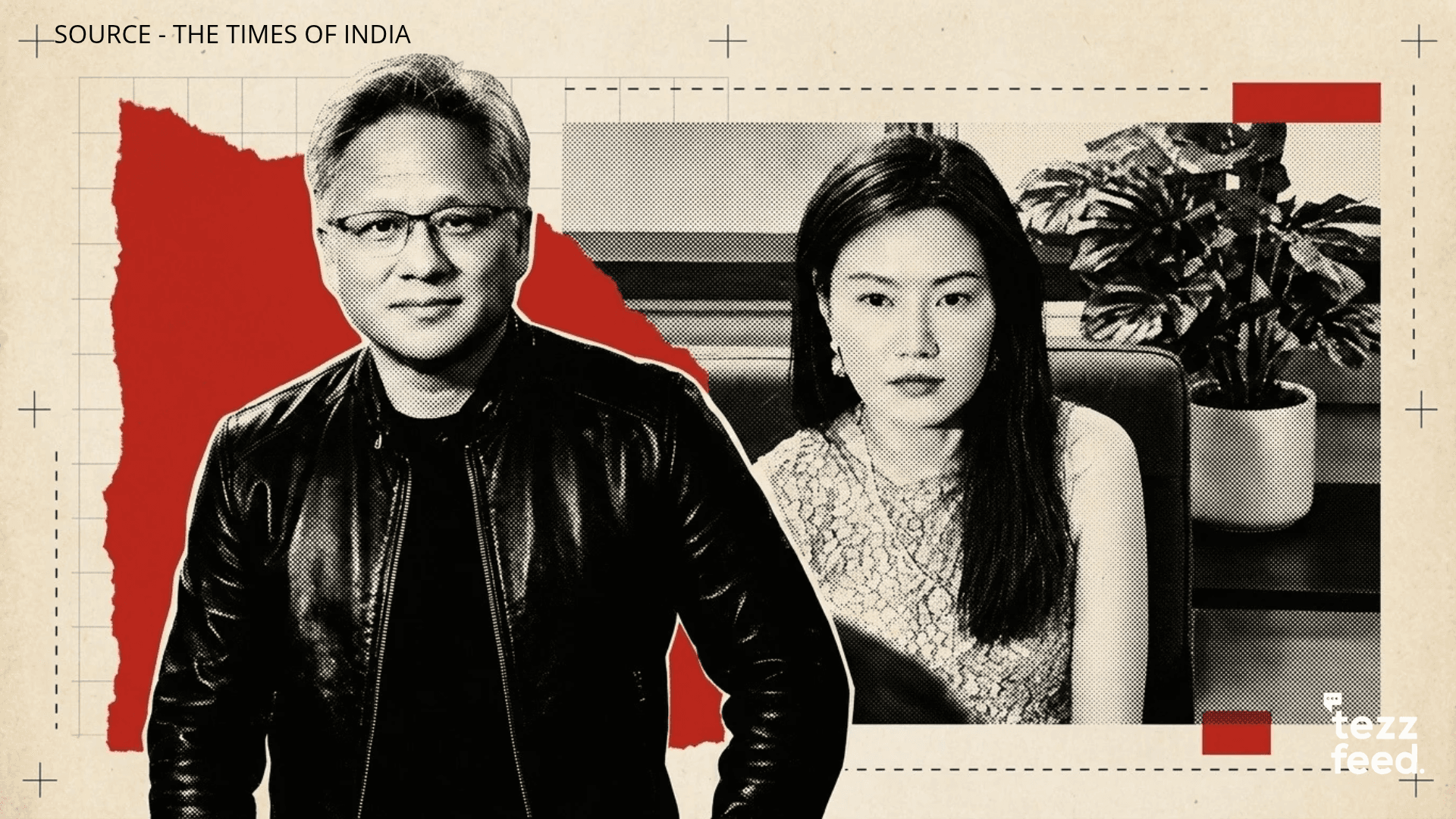
Nvidia chief executive Jensen Huang has come under increasing scrutiny following reports that a businesswoman with alleged connections to Chinese intelligence developed a close relationship with him, raising concerns about potential espionage involving one of America's most strategically important technology companies.
According to reports based on US intelligence assessments, Alice Huang, an executive at Megaspeed International, was allegedly recruited by China's Ministry of State Security to gather information about Jensen Huang and Nvidia's business activities. The accusation of espionage was apparently shared with a few senior US government officials before President Trump visits Beijing, China’s capital, for a summit.
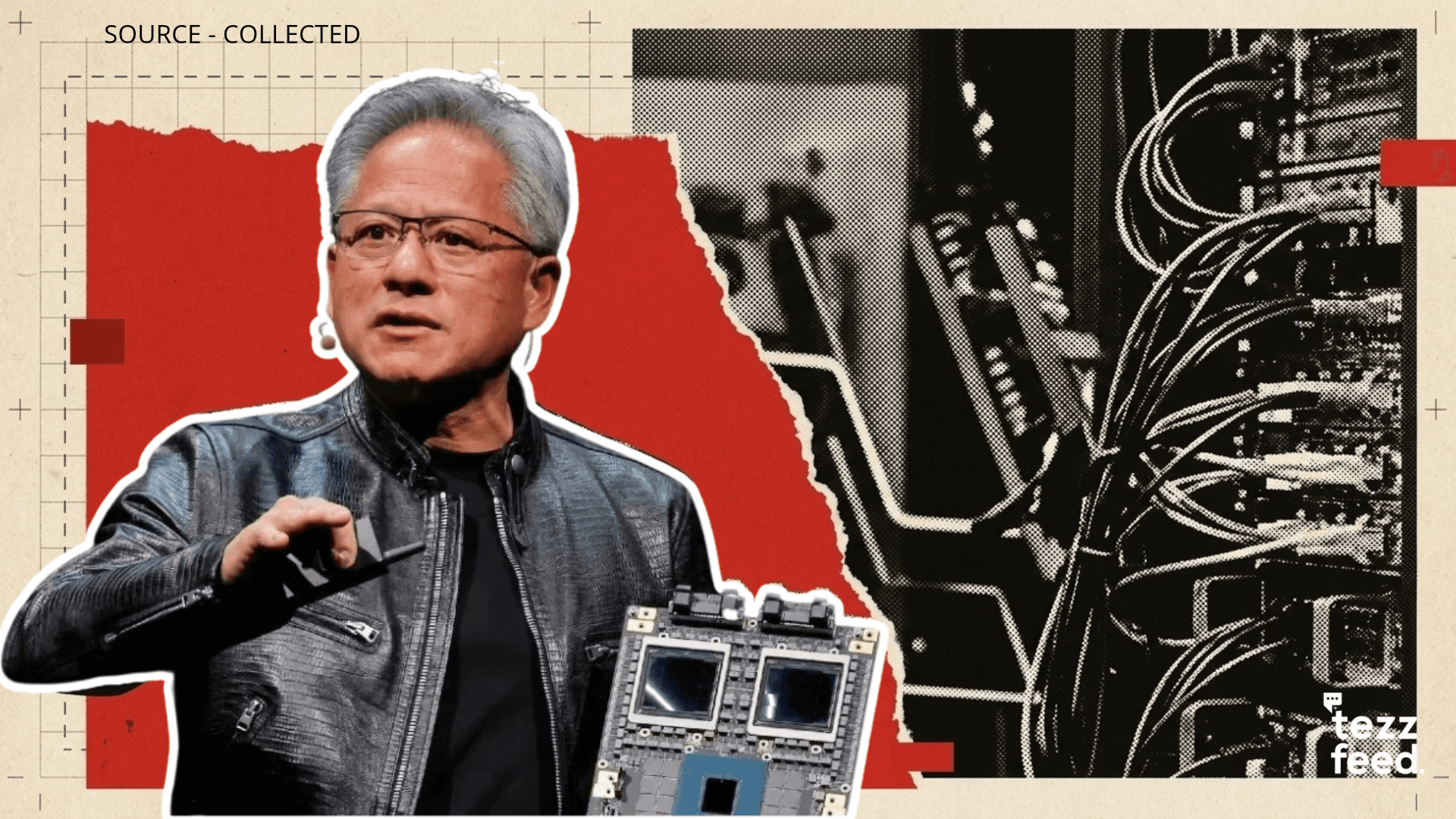
The news has attracted particular attention because Nvidia plays a central role in the global artificial intelligence industry. Its advanced semiconductor chips are essential for developing and operating powerful AI systems, making the company an important part of the technological competition between Washington and Beijing.
Concerns over China's access to advanced AI technology
US intelligence officials believe the alleged operation was intended to obtain information about Nvidia's technology and potentially influence the availability of advanced American AI chips to Chinese interests.
Alice Huang worked for Megaspeed International, a Singapore-based tech company that purchases Nvidia equipment and provides computing resources to AI developers. Megaspeed was established as an independent company in 2023 after separating from a Chinese gaming firm. The intelligence concerns have raised questions about whether commercial relationships involving international technology companies could create opportunities for foreign governments to access sensitive business information. However, there is no established public evidence that Jensen Huang knowingly participated in any intelligence activity or shared classified information with Chinese officials. Nvidia had earlier also carried out an internal review of Megaspeed due to alleged smuggling activities but found no evidence of misconduct.
Earlier this year, Huang has also faced criticism from national security officials over his direct lobbying of President Trump, urging the administration to approve exports of Nvidia’s H200 chips to customers in China.
Nvidia rejects suggestions of inappropriate dealings.
As of yet, Nvidia has defended its chief executive, describing his interactions with Alice Huang as ordinary business engagements. The company has explained that Jensen Huang regularly meets thousands of executives from customer organizations around the world as part of his responsibilities. Nvidia has also stressed that its customers receive standard business information rather than confidential trade secrets or classified national security material.
China has also rejected the broader espionage allegations, describing claims of Chinese spying as baseless and politically motivated.
Images and video footage featuring Jensen Huang alongside the Megaspeed executive have also been widely shared on social media. Alice Huang was unavailable for comment.
US lawmakers seek answers.
The controversy has now attracted attention in Washington. Three Republican congressional committee chairmen have requested a closed-door briefing with Jensen Huang to discuss his interactions with Alice Huang and Nvidia's security procedures. Their concerns extend beyond the personal associations involved. Lawmakers want to understand whether foreign intelligence operations could exploit commercial relationships to gain access to sensitive American technology. The investigation also comes amid growing tensions between the United States and China over semiconductor exports, artificial intelligence development, and national security.
Why the allegations matter
The case highlights the increasingly important relationship between technology, international business, and national security.
As artificial intelligence becomes a major source of economic and geopolitical power, companies such as Nvidia face growing pressure to protect their intellectual property and ensure that their international partnerships do not create security vulnerabilities.
For Washington, the central concern is protecting America's technological advantage while maintaining legitimate international business relationships.
For Nvidia, the immediate challenge is addressing questions about its security practices and maintaining confidence among investors, customers, and government officials.
Although the allegations remain subject to scrutiny and have not established wrongdoing by Jensen Huang, the controversy demonstrates how the global AI race is increasingly extending beyond laboratories and semiconductor factories into intelligence, diplomacy, and corporate governance.