Iranian singer Parastoo Ahmadi has reportedly received 74 lashes after Iranian authorities enforced a court sentence against her for performing in a musical concert without wearing the mandatory hijab. Four members of her production team were also subjected to the same punishment, drawing renewed international attention to restrictions on women's rights, artistic freedom and freedom of expression in Iran.
The punishment was carried out on Monday, November 23, in the city of Qom, following a court ruling related to a performance Ahmadi recorded and published online in December 2024. According to reports citing her lawyer, Mostafa Nili, the singer and four members of her concert team were summoned to the provincial authorities, where the sentences were implemented. The incident has prompted criticism from international human rights organisations and renewed debate about the treatment of female artists under Iran's compulsory dress regulations.
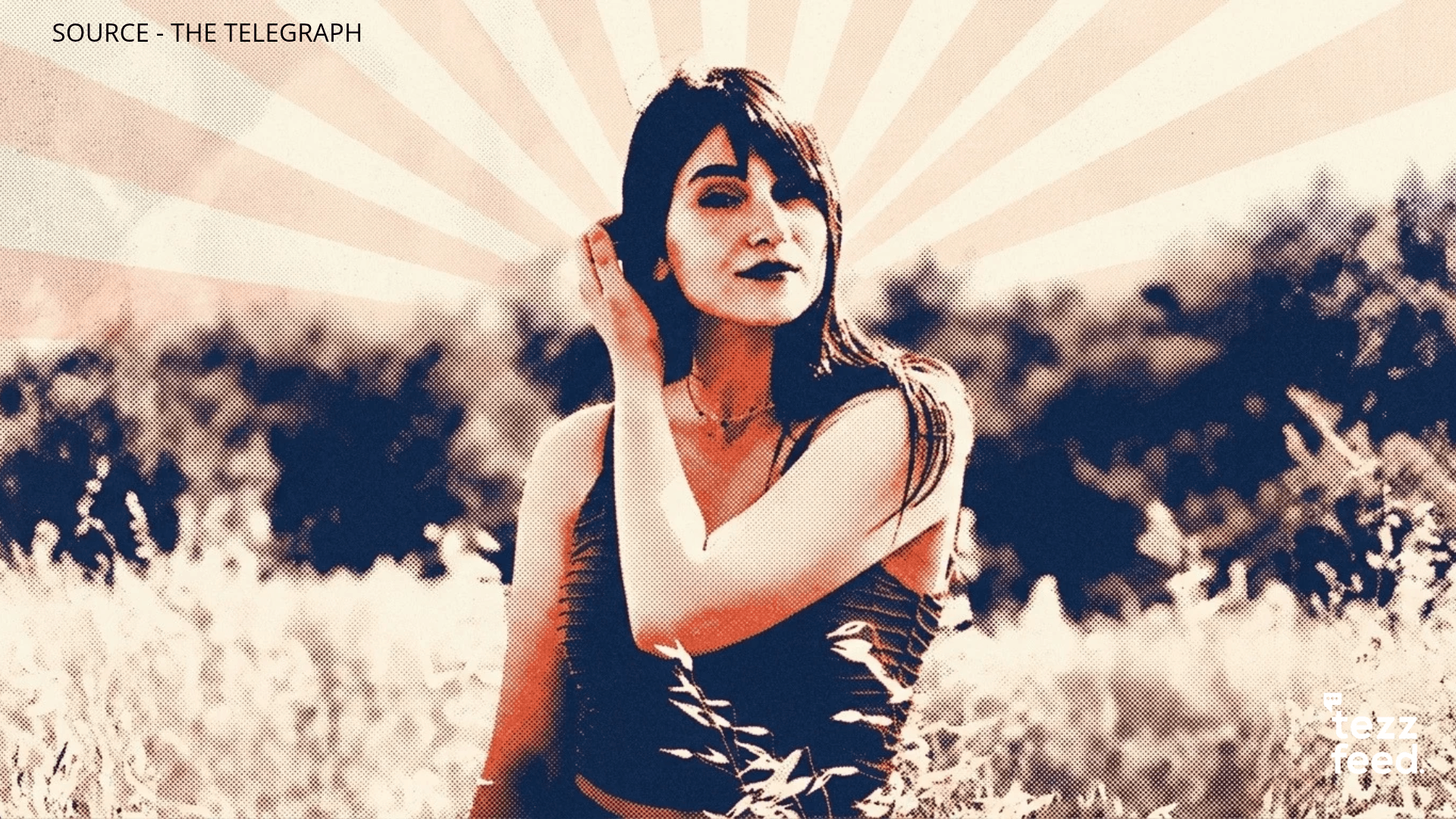
The case dates back to December 2024, when Ahmadi performed at the historic Dayr-e Gachin Caravanserai, an ancient roadside complex near the religious city of Qom. The performance, which was streamed on YouTube, featured Ahmadi singing alongside male musicians without wearing a hijab. She appeared in a long black sleeveless dress, with her hair uncovered. The concert was particularly significant because Iranian regulations require women to cover their hair in public. Women also face restrictions on singing before mixed-gender audiences.
Ahmadi described the performance as a hypothetical concert and expressed her desire to sing for the people she loved and for her homeland. The recording attracted millions of views online, generating widespread discussion among Iranian audiences and international observers. The performance included songs reflecting national identity, longing and the experiences of young Iranians. One of the songs was associated with the country's protest movement and its calls for freedom.
Following the publication of the performance, Iranian authorities opened a case against Ahmadi and members of her production team. The defendants were accused of offending public decency through the production and publication of content described by the authorities as obscene and immoral. A court in Qom sentenced those involved to 74 lashes, alongside a two-year prohibition on artistic and musical activities and a two-year ban on travelling abroad. The appeal against the ruling was unsuccessful in September 2026. Despite efforts by the defence lawyers to overturn the conviction, reduce the punishment or suspend its implementation, authorities proceeded with the sentence in November. According to lawyer Mostafa Nili, the punishment was carried out at the sentence enforcement office in Qom. The case has also raised questions about the treatment of other members of the artistic community who participated in the production.
Amnesty International has described judicial flogging as cruel, inhuman and degrading punishment, arguing that it violates fundamental human rights protections. Human rights advocates have also criticised Iran's compulsory hijab regulations and restrictions on women's participation in public cultural life. The case highlights the challenges faced by Iranian women who seek to participate in music, performance and other forms of artistic expression. Although women continue to find ways to share their work through online platforms and independent productions, such activities can expose performers to prosecution and other legal consequences.
The controversy surrounding Ahmadi's punishment cannot be separated from the broader history of women's rights protests in Iran. Compulsory hijab regulations became a major focus of international attention following the death of Mahsa Amini in September 2022. Amini, a young Kurdish Iranian woman, died in custody after being arrested by morality police over alleged dress-code violations. Her death triggered the Woman, Life, Freedom movement, which brought thousands of people onto the streets demanding greater personal freedoms and changes to the country's restrictions on women. Since then, increasing numbers of Iranian women have appeared in public without headscarves, challenging regulations that have governed women's clothing for decades. While enforcement has varied, the legal and social restrictions remain significant, particularly for women involved in public performances and cultural activities.
Ahmadi's case has become another example of the tensions between state regulations and individual artistic expression in Iran. For supporters of artistic freedom, singing, performing and choosing one's clothing are fundamental aspects of personal liberty. Human rights advocates argue that artists should not face corporal punishment for peaceful creative expression.
Iranian authorities, meanwhile, maintain that their legal system operates according to the country's religious and legal framework and reject international criticism of their human rights record.
Nevertheless, the enforcement of Ahmadi's sentence has brought renewed attention to the consequences faced by women who challenge compulsory dress requirements. The flogging of Parastoo Ahmadi marks another significant episode in the ongoing debate over women's rights and freedom of expression in Iran. A musical performance published online in December 2024 ultimately resulted in a court conviction, restrictions on artistic activities and international criticism of the punishment imposed on the singer and her collaborators.
Beyond the individual case, the incident raises broader questions about the freedom of women to participate in cultural life, express themselves through music and make personal choices about their appearance.
As Iranian women continue to challenge restrictions on their everyday lives, Ahmadi's case is likely to remain an important reference point in discussions about artistic freedom, compulsory hijab laws and human rights in the country.