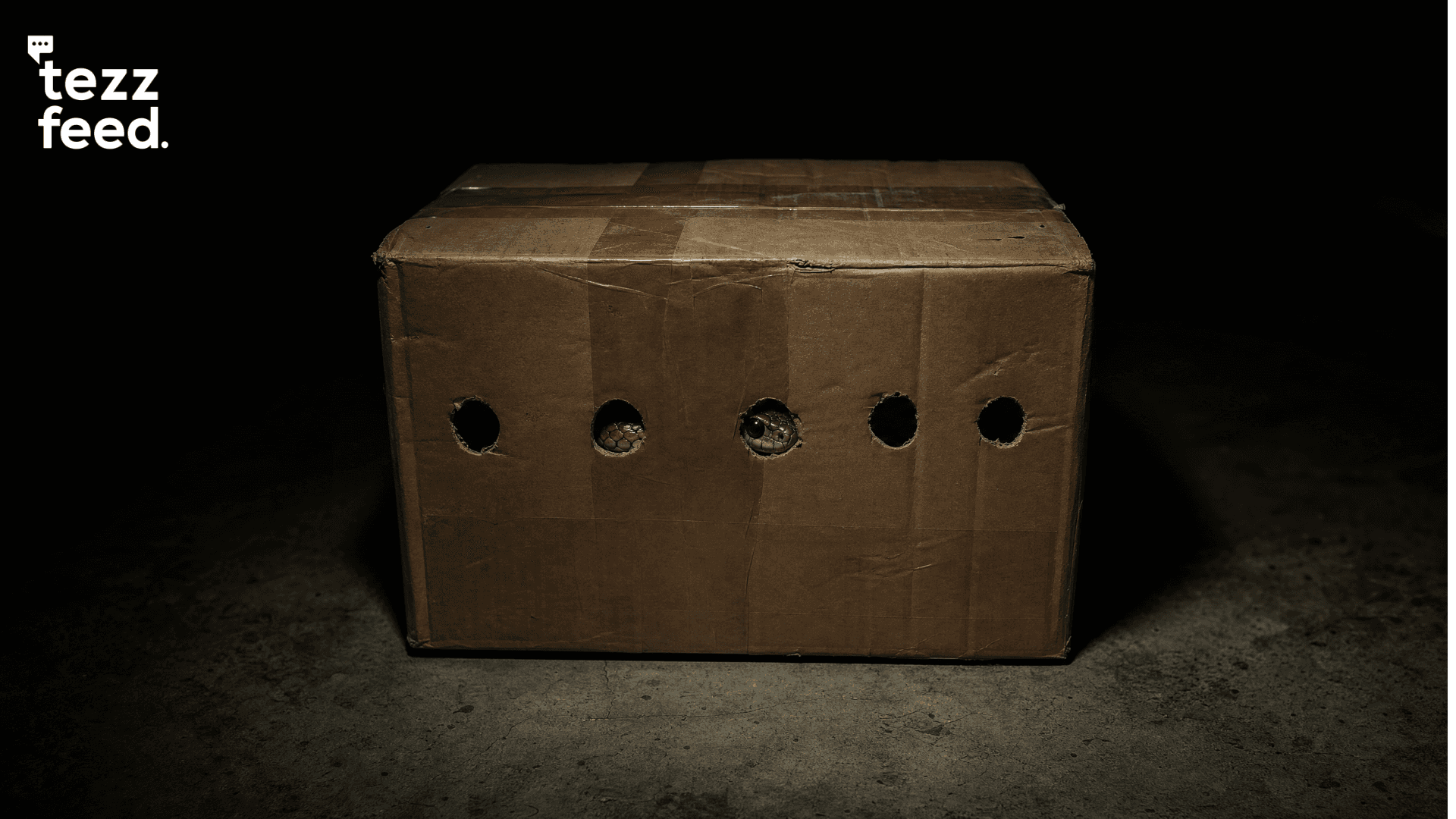
A pet shop in Bangladesh might look normal from the outside but behind some online advertisements is a much stranger business. Snakes, turtles, tarantulas, frogs and other exotic animals are being offered for sale and some of them enter the country through illegal wildlife trade networks.
The problem became very clear in July 2026, when Bangladesh’s Wildlife Crime Control Unit (WCCU) seized 1104 exotic animals from a house in Dhaka’s Rupnagar. The collection included corn snakes, a Mexican black king snake, tarantulas, leopard geckos, frogs and hundreds of turtles. The saddest part is that 21 of the animals were already dead when they were found. Authorities arrested one person and said the investigation was continuing to identify others involved in the network.
Even animals that are legally sold as pets can end up living in terrible conditions. One of the most well known examples is Katabon which is Dhaka’s famous pet market. The area has been criticised for keeping birds, cats, dogs and rabbits in cramped cages and shops with poor ventilation. In 2024, the Animal Welfare Foundation launched an awareness programme there after receiving reports about poor hygiene, inadequate food and ventilation as well as animals dying from neglect or cruelty.
The conditions have sometimes become deadly and during the 2021 lockdown, several hundred animals in Katabon were trapped inside closed shops with little air and light. Heat and gases built up inside the stores while animals also struggled to get enough food. The Daily Star reported that birds, dogs, cats, rabbits, rats, fish and guinea pigs died during the lockdown. One representative of the Katabon Pet Shop Association said that around 10–15 percent of their birds had died in some shops.
It is not as simple as saying that every shop owner does not care because during Eid in 2024, some Katabon workers reportedly stayed behind instead of going home because the birds needed to be fed several times a day and the animals needed regular cleaning and care. That itself shows how dependent these animals are on constant attention when they are kept inside shops.
This is not simply about people wanting unusual pets as bringing wild or exotic animals into Bangladesh involves rules, permits and CITES (Convention on International Trade in Endangered Species of Wild Fauna and Flora) documentation. Under Bangladesh’s Wildlife (Conservation and Security) Act 2026, wild animals cannot be kept and bought, sold or transported without the required licence, possession certificate or permit. The law also prohibits buying and selling wildlife through social media, markets or other platforms.
Importing exotic animals is also regulated and the 2026 law requires the appropriate licences and CITES certificates, permits and no objection certificates for bringing foreign animals into Bangladesh. Breaking these rules can result in imprisonment or fines. There is also a risk that escaped or released species could affect native wildlife and ecosystems. Wildlife trafficking can also be extremely cruel especially when animals are transported in cramped conditions.
The biggest reason this business continues is because there is demand. As long as people are willing to pay for animals that look rare, someone will try to supply them. An exotic pet may look cool in a social media post but behind that post could be an animal that was illegally imported, poorly transported or taken from the wild.