Gopalganj witnessed fresh political unrest on November 15 as supporters of the banned Awami League staged an armed procession through the district town, chanting slogans in support of former prime minister Sheikh Hasina and damaging public property.
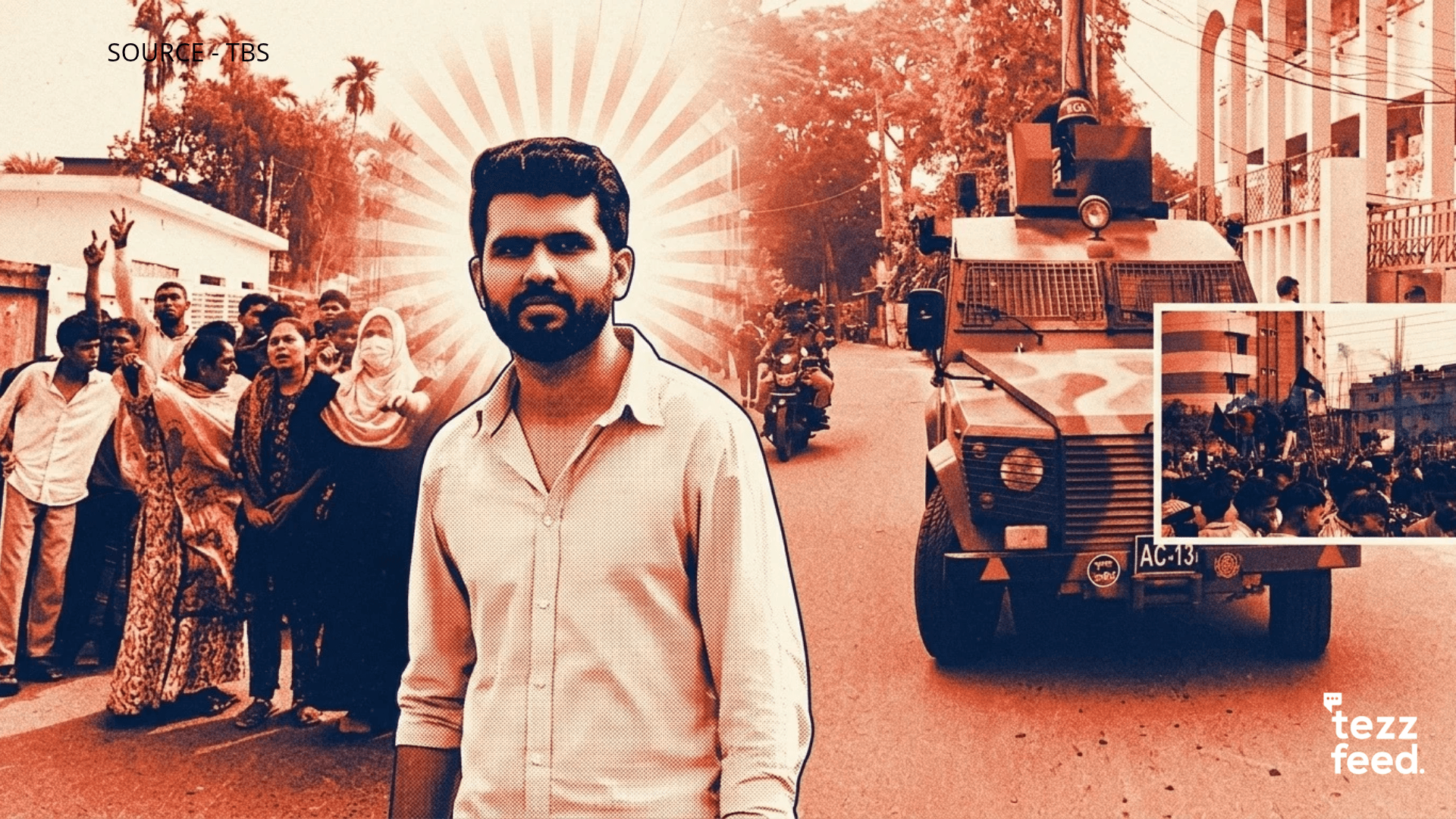
Hundreds of party activists and supporters took to the streets carrying bamboo poles, wooden sticks, oars, machetes, axes, spears, and other locally made weapons. The procession moved through several parts of the town, with participants reportedly breaking police barricades and disrupting traffic.
The demonstrations, which continued from around 11am to 1:45pm, targeted several public installations, including the July Memorial, a police box, and a police armored personnel carrier (APC). Protesters also damaged the nameplate of Hadi Chattar at Gopalganj Science and Technology University. During the procession, activists reportedly reopened the district Awami League office, which had remained locked for an extended period. They also removed or replaced signboards at public institutions, restoring some of their former names. Tyres and other materials were set on fire at several locations, obstructing roads and disrupting normal movement. Shops temporarily closed as tensions spread across the town. The unrest was accompanied by further incidents of vandalism and arson in different parts of the district.
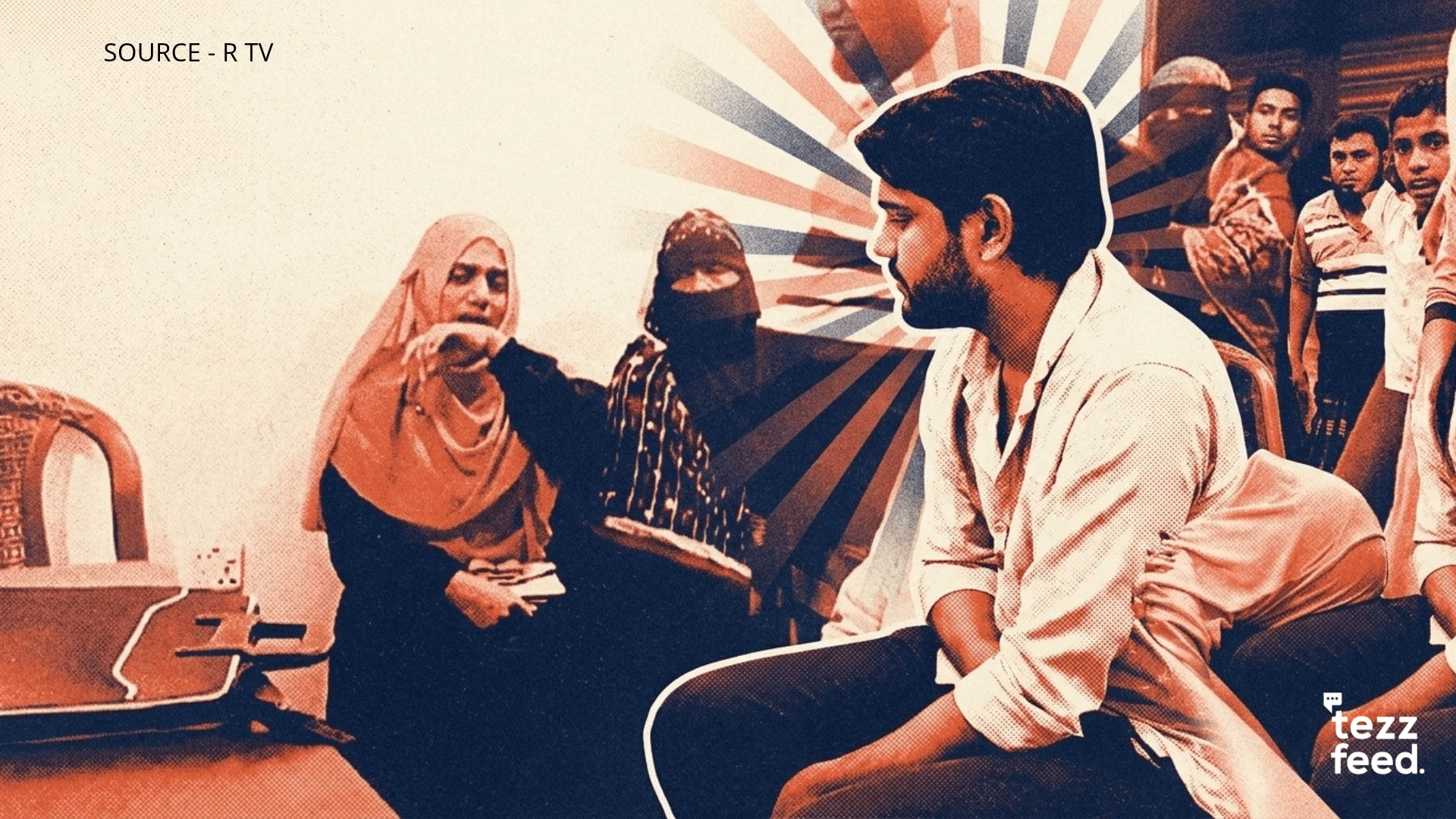
On Sunday evening, the residence of Imdadul Haque Mollah, president of the Tungipara municipal BNP unit, was reportedly attacked and set on fire. BNP leaders blamed activists of the banned Awami League and its affiliated organizations for the incident. Police Sub-Inspector Moslem Ali was also attacked with sharp weapons in Tungipara and sustained injuries. He was reportedly the complainant in a case involving an earlier attack on a police vehicle.
The developments followed another round of violence on November 10, when an incident of vandalism and arson involving a police vehicle was reported in Gopalganj.
In response to the unrest, authorities significantly increased security across Gopalganj. Border Guard Bangladesh (BGB), police, the Armed Police Battalion and other law enforcement units were deployed at important intersections, government installations and vulnerable locations.
BGB initially deployed six platoons, with its deployment subsequently reported to have increased to 10 platoons by November 16. Dhaka Range Deputy Inspector General Mostafizur Rahman said approximately 1,350 police personnel had also been deployed across the district. Armoured vehicles and additional patrol teams were placed on standby to prevent further violence.
Authorities also strengthened security along the district's 67-kilometre stretch of national highway.
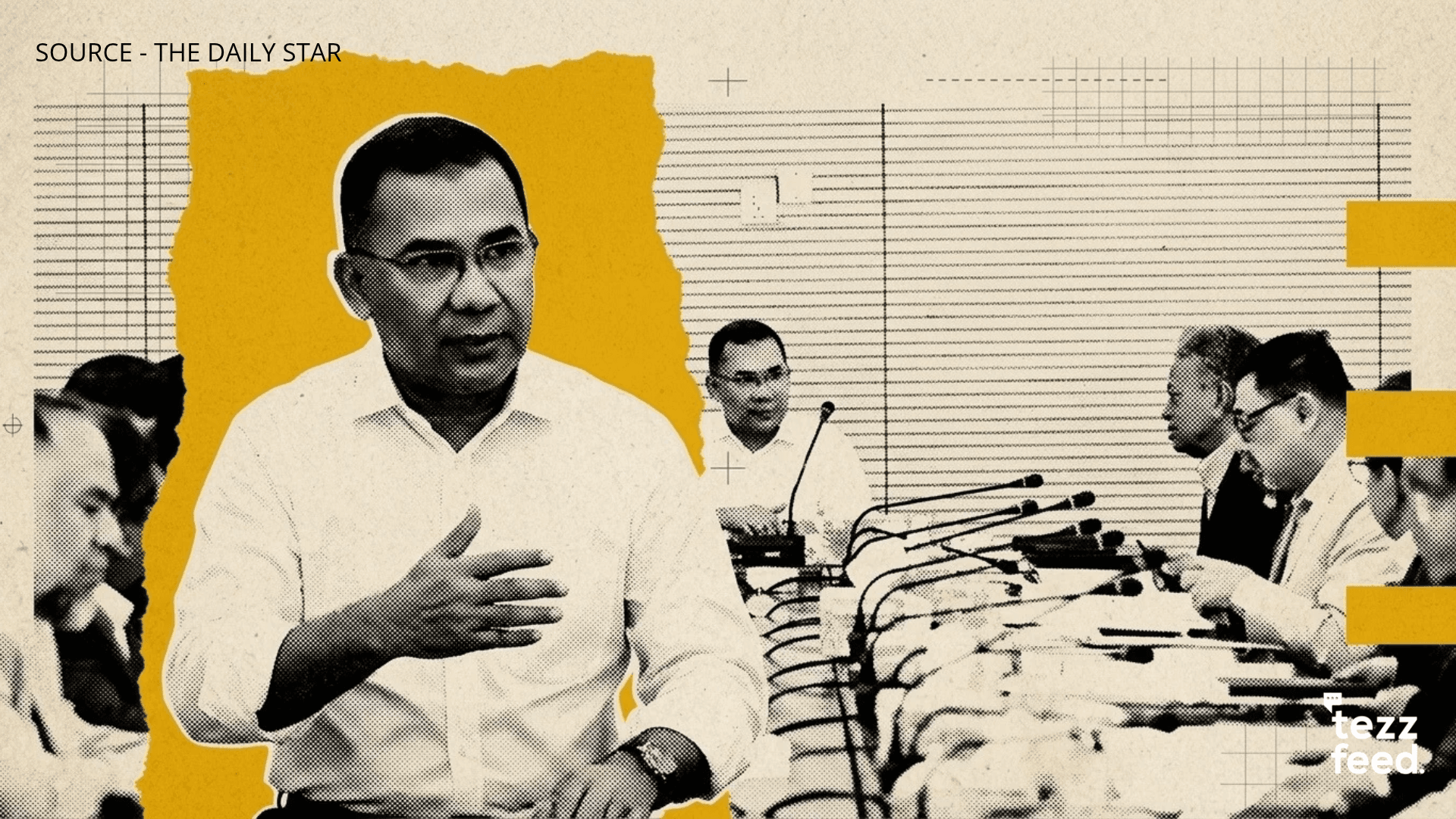
Amid growing criticism over the law and order situation, the government withdrew Gopalganj Deputy Commissioner Md Arif-Uz-Zaman and transferred Superintendent of Police Md Habibullah. GM Sarfaraz, previously serving as deputy commissioner of Habiganj, was appointed as Gopalganj's new DC. Feni Superintendent of Police Pratyush Kumar Majumder was transferred to Gopalganj to replace Habibullah. Several other police officials, including officers-in-charge of three police stations, were also transferred.
The administrative changes came as the government faced pressure to restore stability and prevent further escalation of political violence. The November 15 demonstrations have renewed concerns about public safety and political stability in Gopalganj, the home district of Sheikh Hasina.
The government has said it is monitoring developments and will take necessary measures to maintain law and order. Meanwhile, security forces continue patrols across the district to protect public property and prevent further unrest.
With political tensions continuing, the authorities face the challenge of maintaining public safety while ensuring that law enforcement actions remain within the legal framework.